
Industrial HVAC and Cold Room Construction in Nigeria
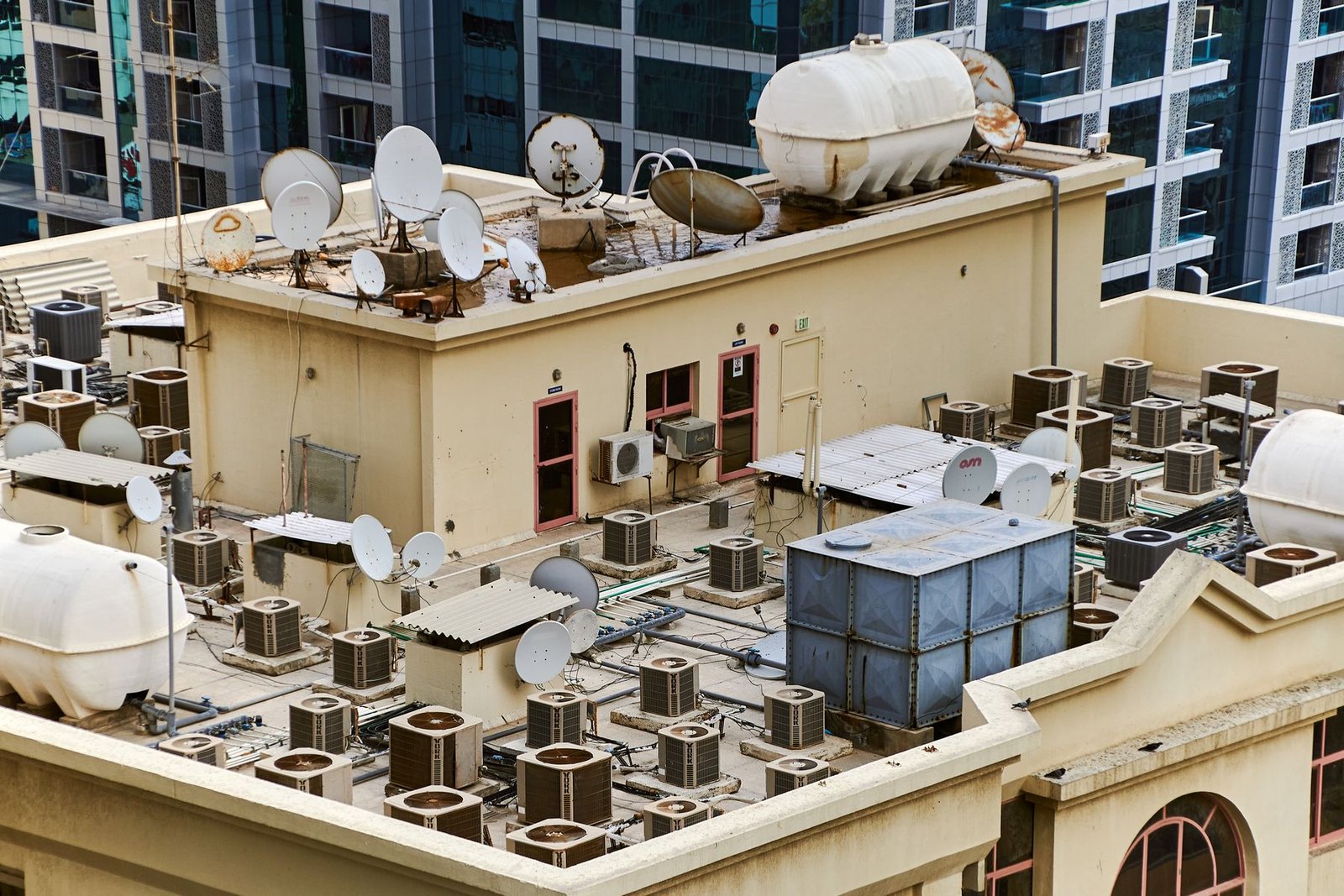
Nigeria’s heat and humidity make temperature control essential for many businesses. Factories need it for equipment and staff, while food, pharmaceutical and logistics operators may depend on cold rooms to protect their stock. A poorly planned system can waste power, struggle during peak heat and put products at risk.
This guide explains the key decisions in industrial HVAC and cold room projects.
Industrial HVAC or cold room?
Industrial HVAC manages temperature, humidity and air quality in occupied or production spaces. Options include ventilation systems, packaged units and chillers.
Cold rooms are insulated enclosures held at a controlled temperature for storage. A chiller room for fresh produce and a freezer room for frozen goods have very different design requirements.
Start with an accurate cooling load
Choosing equipment by floor area alone often leads to poor performance. A proper calculation considers:
- Outside temperature, humidity and solar heat on the building
- Heat from machinery, lighting and people
- Fresh air requirements
- Product type, quantity and entry temperature in a cold room
- How often doors are opened
What makes a good cold room
Insulated panels
Panel thickness and quality should suit the target temperature. Joints must be well sealed, because gaps let in warm, moist air that forms ice and increases energy use.
A suitable floor
Freezer rooms usually need an insulated floor and may need measures to prevent ground heave. Floors must also carry racking and handling equipment.
Doors and air curtains
Doors are a major source of heat gain. Strip curtains, good seals and sensible loading routines all help.
Refrigeration equipment
Compressor, condenser and evaporator must be matched to the load. Place condensers where they have good airflow and easy service access.
Monitoring
Temperature logging and alarms provide early warning before stock is lost, and regulated sectors may need these records for compliance.
Plan for Nigerian power conditions
Power reliability should be part of the design from the start. Consider these points:
- A generator or other backup source sized for compressor start-up loads
- Voltage protection to reduce the risk of equipment damage
- Automatic restart with staggered starting after an outage
- Thermal mass and good insulation, which help hold temperature during short interruptions
- Solar and battery support where a proper study shows it makes sense
Reduce running costs
- Improve insulation before adding cooling capacity.
- Shade or insulate roofs that receive direct sun.
- Consider variable-speed equipment where loads change through the day.
- Keep coils clean, because dirty coils reduce efficiency.
- Fit door controls and train staff to keep doors closed.
A basic maintenance plan
- Weekly: check temperatures, alarms, door seals and any ice build-up.
- Monthly: clean filters and inspect drains, fans and belts.
- Quarterly: clean coils and inspect electrical connections.
- Annually: have a qualified technician check refrigerant levels, controls and overall performance.
Questions to settle before you buy
- What temperature and humidity do you need, and how tightly must they be held?
- What is the worst-case load, including your hottest days?
- What happens to your product if the power fails?
- Who will service the system, and how quickly can they get parts?
- Can the system be expanded as your business grows?
Bring the building and system together
Cooling performs best when it is planned with the structure. If you are building a new facility, read our steel warehouse planning guide so that insulation, roof loads and equipment access are considered from the beginning.
Talk to an engineering team
Calorex Group provides steel fabrication and industrial engineering services. If you are planning a project, contact us with your drawings or a short description of what you need.