
Maintenance and Overhaul of Industrial Equipment: A Guide
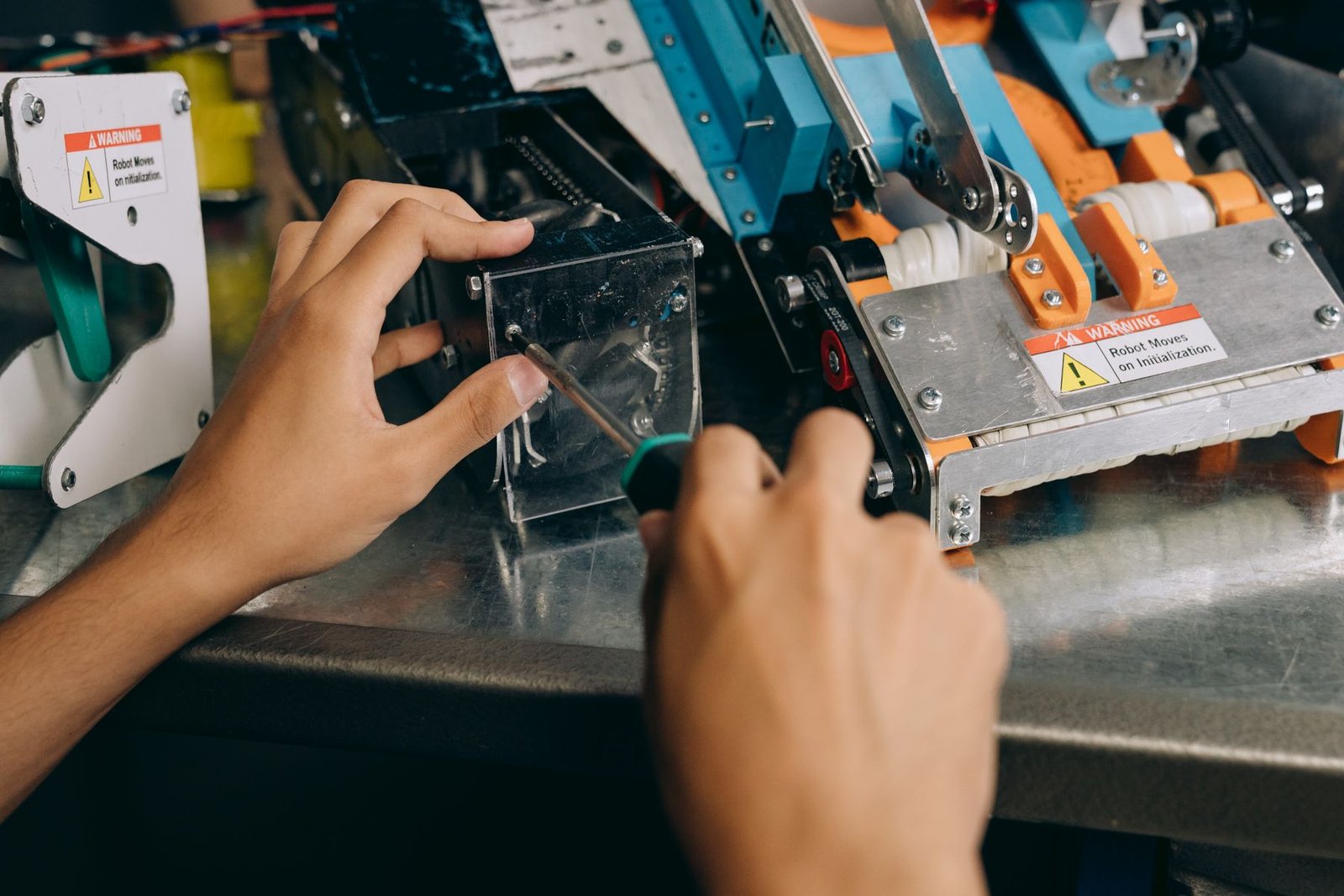
Every plant makes a choice about maintenance, even if it is only waiting for equipment to fail. A planned approach usually gives better control over safety, downtime and cost.
Main maintenance approaches
- Reactive: repair after failure. It may suit low-risk items.
- Preventive: service on a schedule or after set running hours.
- Condition-based: act on evidence such as vibration, temperature or wear.
Most plants use a mix, based on how critical each machine is.
What an overhaul involves
An overhaul is a deeper job than routine servicing. Equipment is opened, inspected and cleaned, worn parts are repaired or replaced, then it is reassembled, tested and returned to service.
Signs an overhaul may be needed
- Falling output or efficiency
- Rising vibration, noise or temperature
- Repeat failures or frequent adjustments
- Leaks and increasing energy use
- The manufacturer’s service interval has been reached
Plan the shutdown
- Define the scope and inspect what you can beforehand.
- Order long-lead parts early.
- Agree isolation and permit-to-work arrangements.
- Sequence the work around production.
- Test and record results before handover.
Repair, overhaul or replace?
Compare the remaining life, safety risk, parts availability, downtime and total cost, not just the repair price. Equipment with obsolete parts may cost more to keep than to replace.
Keep simple records
Log failures, repairs, parts used and running hours for each asset. Those records reveal repeat problems and help you plan with confidence.
Talk to an engineering team
Calorex Group provides maintenance and overhaul solutions alongside fabrication and industrial engineering. Contact us to discuss your plant.